/ Advertorials
TL;DR
Advertorials are the pre-sell powerhouse for modern marketers: what they are, where they came from, why they work, and the common types you can use to warm up colder audiences.
By Silvermoon
An In-Depth Introduction to Advertorials: The Pre-Sell Powerhouse for Modern Marketers
Welcome! If you’re looking to elevate your marketing, scale your reach, and connect with customers on a deeper level, then understanding advertorials is essential. This document serves as your comprehensive introduction to this powerful advertising format. Before we dive into the practical “how-to” of creating them (which will be detailed in subsequent SOPs), it’s crucial to grasp their essence, their history, their strategic advantages, and the various forms they can take.
1. What is an Advertorial?
An advertorial is a sophisticated form of advertising strategically crafted to resemble an objective editorial article, informative blog post, or an unbiased news piece. The term itself, a blend of “advertisement” and “editorial,” hints at its dual nature: to inform and to persuade.
The Core Purpose: The Art of the Pre-Sell: Advertorials are primarily leveraged as Pre-Sell Pages. Unlike direct sales pages that aim for an immediate purchase, advertorials work to:
Educate: They provide valuable information about a problem, a need, or a new solution, often addressing questions the prospect might already have or didn’t even know they had.
Frame the Prospect’s Mindset: They help shape the reader’s understanding of a situation, highlighting pain points they might be experiencing and subtly guiding them towards a specific type of solution. This framing makes the eventual product pitch feel more natural and less like a direct assault.
Build Initial Trust: By offering genuine value and adopting an informative tone, advertorials aim to lower the natural skepticism readers have towards overt advertising.
Qualify Prospects & Drive Higher Purchase Intent: They filter and warm up traffic. Readers who engage with an entire advertorial are generally more interested and better informed when they finally reach a product or sales page, leading to higher quality purchase and better conversion rates.
Appearance and Tone: A key characteristic is their design and language. They often mimic the layout, typography, and writing style of the platform they appear on (e.g., a news website, a popular blog). This creates a sense of familiarity and perceived objectivity, encouraging the reader to engage with the content as information rather than an immediate sales pitch. The tone is usually more conversational, educational, or story-driven than typical ad copy.
2. Who Invented Advertorials? A Brief History of Persuasion
The concept of the advertorial wasn’t born overnight or by a single inventor; it’s an evolution in advertising strategy.
Early Roots in Print Media: Long before the internet, advertisers in newspapers and magazines sought ways to capture attention beyond standard display ads. They began publishing paid content that looked and read like regular articles. This allowed them to:
Provide More Detail: Complex products or services often needed more explanation than a small ad box could provide.
Subtlety and Engagement: An article format was seen as less intrusive and could engage readers for longer, telling a brand’s story or highlighting benefits in a more nuanced way.
Borrowed Authority: Appearing alongside genuine editorial content could lend an air of credibility to the advertised message.
The Digital Transformation: The internet provided the perfect landscape for advertorials to flourish:
Native Advertising: The rise of “native advertising” (ads that match the form and function of the platform on which they appear) is a direct descendant of the advertorial concept.
Content Marketing Synergy: Advertorials align well with content marketing principles, focusing on providing value to attract and retain a clearly defined audience.
Measurability and Targeting: Digital platforms allow for precise targeting of advertorials to specific demographics and interests, and detailed tracking of their performance (clicks, engagement, conversions).
Multimedia Integration: Online advertorials can incorporate videos, interactive elements, and direct links to purchase, making them more dynamic than their print predecessors.
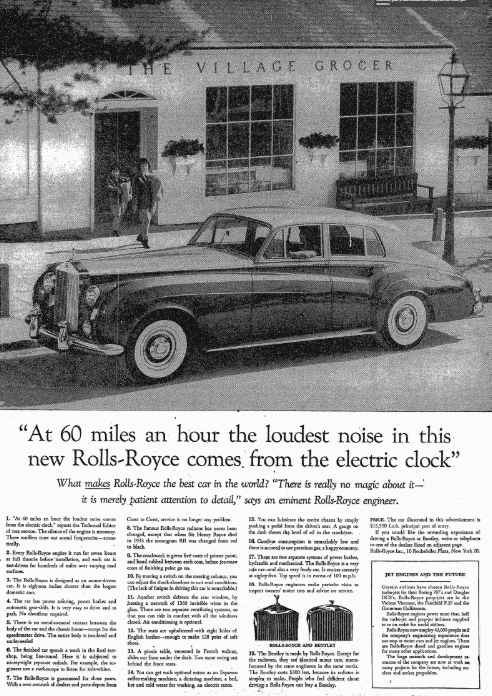
A classic example from print: the long-copy Rolls-Royce ad.
While many skilled copywriters and marketers have refined the art over decades (think of legends like David Ogilvy, Eugene Schwartz, and Gary Halbert, whose principles of direct response and understanding customer psychology heavily influence effective advertorials), its origin is a testament to the ongoing quest for more effective communication between brands and consumers.
3. Why Marketers Swear By Advertorials: Key Benefits & Strategic Uses
Advertorials are not just a fancy trend; they are a strategic pillar for many successful marketing campaigns, particularly in 2025 and beyond, for these reasons:
Deeply Educate and Frame the Prospect:
Why it matters: Many prospects are unaware of the true nature of their problem or the best solutions. A direct pitch to an uneducated prospect often fails.
How advertorials help: They provide the space to explain complex topics, introduce new concepts, and reframe existing beliefs, making the prospect more receptive to your specific solution. For example, an advertorial might first educate readers about the overlooked internal causes of a skin condition before introducing a supplement that addresses it.
Build Significant Trust and Credibility:
Why it matters: Consumers are increasingly skeptical of direct advertising.
How advertorials help: The editorial style, focus on information, and potential use of (ethically presented) third-party endorsements, case studies, or expert quotes can significantly lower sales resistance and build a foundation of trust.
Effectively Target and Convert Colder Audiences:
Why it matters: Scaling often requires reaching audiences unfamiliar with your brand or even the specific problem you solve. These “colder” audiences need nurturing.
How advertorials help: They act as an intermediate step, warming up colder traffic by providing value and education before asking for a sale. Someone searching for “how to improve sleep” might click on an ad leading to an advertorial about sleep science before being introduced to a sleep aid product.
Dramatically Increase Overall Paid Funnel Performance:
Why it matters: Sending ad traffic directly to a sales page can result in high bounce rates and low conversion if the prospect isn’t sufficiently prepared.
How advertorials help: By pre-selling, qualifying, and educating, advertorials ensure that the traffic reaching your product/sales page is more informed, more interested, and therefore more likely to convert. This can lead to a lower Cost Per Acquisition (CPA) and a higher Return On Ad Spend (ROAS).
Unlock Wider Total Addressable Market Segments for Scaling:
Why it matters: Relying only on bottom-of-funnel, product-aware audiences limits growth.
How advertorials help: They enable you to profitably engage with much larger, less aware audiences (those in the “Unaware,” “Problem Aware,” or “Solution Aware” stages), which is crucial for significant scaling.
Leverage the Power of Storytelling & Emotional Connection:
Why it matters: People connect with stories and emotions far more than with facts and figures alone.
How advertorials help: They provide a platform for compelling narratives – a customer’s journey, the founder’s inspiration, the “discovery” of a solution – that resonate emotionally and make the brand more memorable and relatable.
Handle Complex Products/Services with Nuance:
Why it matters: Some offerings require more explanation than a typical ad or short landing page can accommodate.
How advertorials help: They allow for in-depth explanations of features, benefits, mechanisms, and use cases without overwhelming the reader, guiding them through the information logically.
4. Deconstructing a Successful Advertorial Approach
Let’s break down the framework behind top-performing advertorials — the kind built to grab attention, create trust, and convert readers into buyers with precision.
1. The Hook (Above the Fold)
The first impression makes or breaks everything.
Strong headline that immediately speaks to a desired transformation or relief from a pain point
Paired with a compelling visual (before/after, disruptive imagery, or emotionally charged scene)
Goal: Immediate relevance and curiosity that pulls the reader in.
2. Relatable Storytelling (Point of View)
Shift into narrative mode.
A first-person story that mirrors the reader’s own struggles
Start in a moment of frustration or vulnerability
Layer in emotional detail: confusion, embarrassment, fear, or fatigue
Goal: Create a connection that feels authentic and human.
3. The Turning Point and Introduction of Hope
The shift in momentum.
Introduce the discovery or insight that changed the game
Keep it subtle — this isn’t a product pitch yet
Let the reader feel the curiosity and rising hope alongside the narrator
Goal: Bridge the emotional gap between the problem and the possibility.
4. Problem Agitation and Education
Now we deepen the reader’s understanding.
Break down why the problem exists and why common solutions fail
Provide light, useful education that builds authority
Explain symptoms, triggers, or hidden causes
Goal: Build trust while increasing desire for a better way forward.
5. Introducing the Unique Mechanism
Here’s where the product quietly enters the spotlight.
Present the solution with a focus on what makes it different
Break down the unique ingredient, method, or mechanism
Use clear language that explains how and why it works
Goal: Position the product as the natural and credible next step.
6. Social Proof and Trust Builders
Now reinforce the promise with evidence.
Real customer stories, quotes, and results
Visual reviews, third-party ratings, or clinical mentions
Certifications, trust badges, and credibility markers
Goal: Eliminate skepticism and provide validation from others.
7. Clear Calls to Action
Prompt action without pressure.
Use soft CTAs like “Check availability” or “See if this is right for you”
Repeat them at natural breaks in the story
Layer in urgency with limited access or availability
Goal: Make the next step feel easy, natural, and risk-free.
8. Offer Structure (On the Sales Page)
Once they click through, the experience continues.
Show pricing tiers clearly, with emphasis on best-value options
Use bundles to increase AOV naturally
Include guarantees or flexible returns to reduce hesitation
Goal: Turn interest into conversion by reinforcing value and minimizing risk.
This structure systematically educates the reader, builds trust, agitates their problem, and then presents the product as the logical, credible solution.
5. Exploring Common Types of Advertorials
Advertorials are versatile. Here are some common archetypes you’ll encounter:
The Classic Problem/Solution:
How it works: Identifies a common pain point in detail, then introduces the product as the ideal solution.
Strength: Direct, clear, and effective if the problem is well-understood.
The “Discovery” or “Secret Revealed” Story:
How it works: Frames the product or its key ingredient/mechanism as a breakthrough, a long-lost secret, or a unique finding.
Strength: Creates intrigue and positions the product as novel and special. (e.g., “The Ancient Herb That’s Reversing Decades of Joint Pain”).
The Personal Journey / Case Study (Point of View):
How it works: A first-person narrative of someone who struggled with a problem and found relief/success with the product.
Strength: Highly relatable and builds strong emotional connection and trust. (As seen in the PHC Beauty example).
The Listicle (“Top X Reasons…”, “X Ways to Improve…”):
How it works: Uses a numbered or bullet-point format, making it easy to scan and digest. Each point can highlight a benefit, a feature, or a reason why the product is superior.
Strength: Highly engaging and good for conveying multiple benefits quickly.
The News Report / Investigative Style:
How it works: Mimics the objective tone and format of a news article, often citing (real or perceived) experts, studies, or scientific backing.
Strength: Borrows authority and can be very persuasive if done credibly.
The Comparative Advertorial (Us vs. Them):
How it works: Compares the featured product against common alternatives, highlighting its superior benefits, ingredients, or mechanism.
Strength: Clearly positions the product as the better choice, especially in a market with established competitors (like the multivitamin example in the video).
The “Behind the Brand” Story:
How it works: Focuses on the founder’s story, the brand’s mission, or the unique philosophy behind the product’s creation.
Strength: Humanizes the brand and builds a deeper connection beyond just the product.
Transition to Action
Understanding these foundational aspects of advertorials – what they are, their historical context, their powerful benefits, and their varied forms – equips you with the necessary knowledge to appreciate their strategic importance. You’re now ready to move beyond the “what” and “why” and delve into the “how.”
The next SOPs and videos will provide you with a step-by-step guide to write, design, and implement your own successful advertorial campaigns.
Silvermoon is a private advisory practice for e-commerce founders. Tell us where the business is today and we’ll tell you honestly where we can help.
Apply now
BRANDS
A growth advisory for DTC brands.
Private. 1:1. By application.
CONTACT
© 2026 SILVERMOON BRANDS